Ihor Ivanovych Herashchenko
Gerashchenko Igor Ivanovich
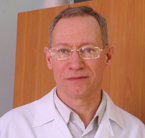
Gerashchenko Igor Ivanovich – Professor of the Department of Pharmaceutical Chemistry and Pharmacognosy, Doctor of Pharmaceutical Sciences (1998), Professor (2014).
Born on 01.01.1957.
In 1979, graduated from the Faculty of Chemistry of Lomonosov Moscow State University (MSU), in 1982 – completed postgraduate studies at the Department of General Chemistry of MSU.
From 1983 to 1989, worked as an assistant at Vinnitsa National Medical University named after N.I. Pirogov; from 1989 to 2004 – Senior Researcher at the Institute of Surface Chemistry of the National Academy of Sciences of Ukraine.
Professor at the National Medical University named after A.A. Bogomolets (2004–2008).
Since 2008 to present – Leading Researcher at the Institute of Surface Chemistry named after A.A. Chuyko of the National Academy of Sciences of Ukraine. Since 2010 – Professor of the Department of Pharmaceutical Chemistry and Pharmacognosy at Kyiv Medical University of UANM.
In 1979, graduated from the Faculty of Chemistry of Lomonosov Moscow State University (MSU), in 1982 – completed postgraduate studies at the Department of General Chemistry of MSU.
From 1983 to 1989, worked as an assistant at Vinnitsa National Medical University named after N.I. Pirogov; from 1989 to 2004 – Senior Researcher at the Institute of Surface Chemistry of the National Academy of Sciences of Ukraine.
Professor at the National Medical University named after A.A. Bogomolets (2004–2008).
Since 2008 to present – Leading Researcher at the Institute of Surface Chemistry named after A.A. Chuyko of the National Academy of Sciences of Ukraine. Since 2010 – Professor of the Department of Pharmaceutical Chemistry and Pharmacognosy at Kyiv Medical University of UANM.
Candidate of Chemical Sciences (1983).
Doctor of Pharmaceutical Sciences (1998), dissertation topic: “Physicochemical Justification, Development, and Study of New Medicinal Products Based on Highly Dispersed Silica”.
Author of 170 published works, including 24 patents for inventions. Co-author of two monographs.
Corresponding Member of the Academy of Technological Sciences of Ukraine (2003).
Doctor of Pharmaceutical Sciences (1998), dissertation topic: “Physicochemical Justification, Development, and Study of New Medicinal Products Based on Highly Dispersed Silica”.
Author of 170 published works, including 24 patents for inventions. Co-author of two monographs.
Corresponding Member of the Academy of Technological Sciences of Ukraine (2003).
Professor (2014). Area of scientific interests: biological effects of nanosized materials; development of medicinal products based on nanodispersed silica; pharmaceutical chemistry of medical sorbents.
Author of the preparation “Metroxan”, used for the treatment of wounds in the first phase of the wound process.
Author of the preparation “Metroxan”, used for the treatment of wounds in the first phase of the wound process.
Teaches pharmaceutical chemistry and toxicological chemistry.