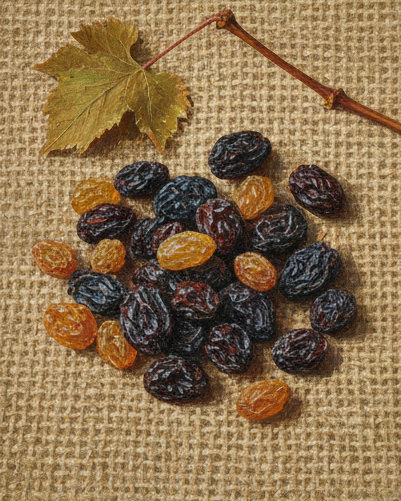
Dried Fruits

Dried fruits, as the name suggests, are fruits that have been dried by various methods, containing up to 20% water (in fresh fruits, the water content, or humidity, is 80-90%). Drying can be done using natural methods (sun drying, shade drying – drying) as well as industrial methods (various industrial dryers).
The undeniable benefits of dried fruits are determined by their rich vitamin and mineral composition (especially if the dried fruits are prepared using natural drying methods). Vitamins (carotenoids, B vitamins, nicotinic acid), mineral elements (potassium, calcium, magnesium, phosphorus, iron), and carbohydrates are present in dried fruits in a concentrated form, so a smaller amount of dried fruits meets the daily nutritional needs of the human body compared to fresh fruits.
On one hand, this is a significant advantage, as it makes it relatively easy to obtain the daily norm of essential nutrients.
However, on the other hand, even a small amount of dried fruits is quite rich in sugars, including glucose and sucrose, which raise blood sugar levels. This is why people with diabetes need to consume dried fruits with great caution.
There is also another nuance. Dried fruits, like fresh fruits and vegetables, are a valuable source of fiber (cellulose) and pectins, which aid in cleansing the intestines and detoxifying the body (for more details, see Vegetables). However, during inflammatory processes of the stomach and duodenum, their consumption is not recommended, as a large amount of fiber can irritate the mucous membrane.
The mechanism of action of sulfur dioxide on plant tissues is well described in the monograph by N.M. Alikov et al. (2008)*: “Physiological and biochemical processes are disrupted by the action of SO2 due to the decrease in the pH of the protoplasm and its redox potential. The influence of the gas is multifaceted, as SO2, being in a dissolved state and in the form of sulfate, easily penetrates all cells and organelles. Upon entering intercellular spaces, the gas reacts with cell membranes. Its direct action on membrane proteins leads to a disruption of plasma permeability regarding ions. It then acts on cytoplasmic components, primarily chloroplasts. The gas interacts with proteins, carbohydrates, fatty acids, and lipids. This may lead to the formation of free radicals, which disrupt the activity of chloroplast membranes. Sulfur dioxide directly affects disulfide bridges and photosynthetic enzymes, acting as a photosynthetic toxin.”
It is not surprising that the consumption of dried fruits treated with sulfur dioxide often causes serious allergic reactions in asthmatics.
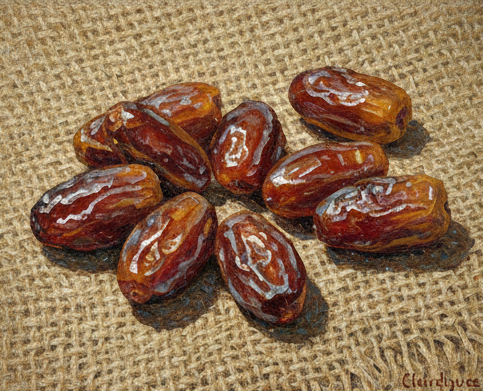
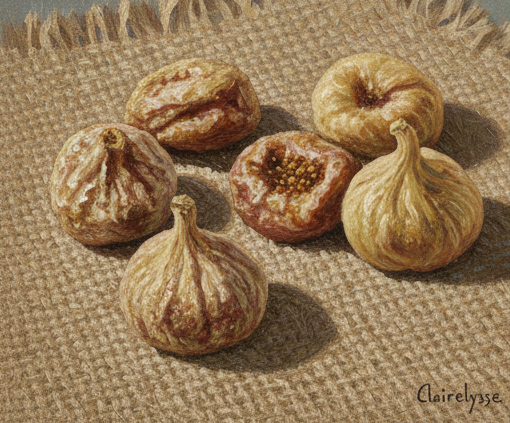
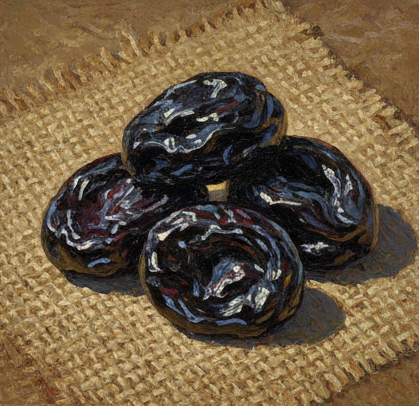
It is quite simple to distinguish dried fruits that have not been treated with sulfur dioxide. They are not very visually appealing – have a dark color, are matte, wrinkled, and may be affected by insect pests and mold. But they are safe for health!
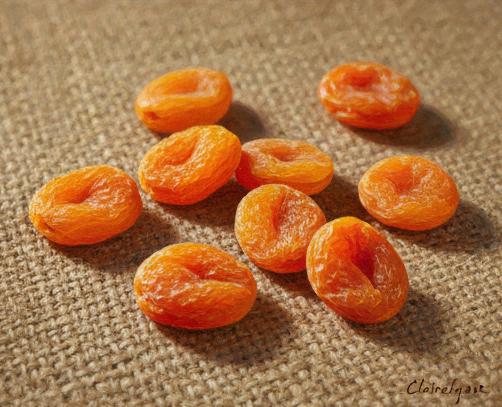
An overly bright color or shine indicates that the dried fruits have been artificially colored for a more attractive appearance (preferably with food colorings!) or treated (with sulfur dioxide, glycerin, or fat).
However, there is an opinion regarding the acceptability of treating dried fruits with sulfur dioxide (E220 – a permitted food additive in Ukraine and Russia). Proponents of its use (advocates of “beauty”) claim that the concentrations in which it is present in dried fruits are harmless to the human body.
Perhaps this is true for the body of an adult, absolutely healthy person. But what about the body of a child? And in the presence of chronic diseases?
Therefore, if the dried fruits you purchased look too good, it is better to soak them in hot (but not boiling) water for a few hours (boiling water destroys vitamins), drain the water, rinse thoroughly, and only then consume them. Children, weakened and sick individuals, as well as elderly people should not be given “beautiful” dried fruits.
______________________
* Alikov, N.M. The effect of sulfur dioxide on the content of photosynthetic pigments in plants: monograph / N.M. Alikov, N.N. Alikov, E.A. Syutova; edited by N.M. Alikov. − Astrakhan: Publishing House “Astrakhan University”, 2008. – 142 p.