Vegetables

      VEGETABLES


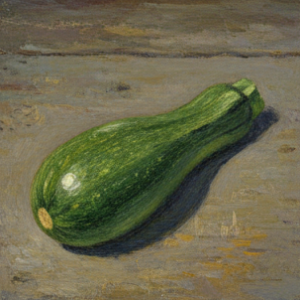
      Vegetables are undoubtedly beneficial foods, rich in dietary fiber and pectins, vitamins, mineral elements, and biologically active substances, including antioxidants.

      Dietary fiber (cellulose), contained in vegetables, performs several important functions in the human body, two of which are particularly significant.

  • Firstly, it acts on the human digestive tract as an abrasive, aiding intestinal peristalsis and cleaning its walls from undigested food residues and toxins.
  • Secondly, it serves as a nutritional substrate for the activity of the normal microflora of the large intestine, i.e., it helps prevent dysbiosis.

      Pectins, which are sometimes incorrectly referred to as “soluble fiber,” are natural detoxifiers that bind and eliminate heavy metals, radionuclides, toxins, excess bile acids, and other metabolic byproducts from the body, contributing to lower cholesterol levels and normalizing weight.

      Compared to fruits, vegetables contain less sugar and more fiber; in terms of pectin content, vegetables and fruits are similar.

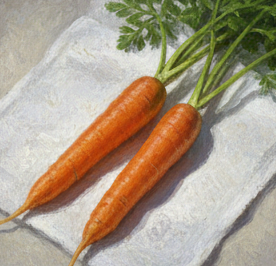
According to nutritionists’ recommendations, the daily intake of dietary fiber in food is approximately 25 g (roughly equivalent to two medium-sized carrots), while pectin intake should be about 10 g (approximately two medium-sized apples)
Similar Posts

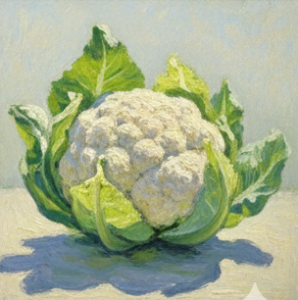
  • Cauliflower (Brassica oleracea var. botrytis)

    CAULIFLOWER         Cauliflower (Brassica oleracea var. botrytis) is characterized by an exceptional concentration of ascorbic acid (100.0% of the Daily Value [DV] per 100 g), folate (41.0%), pantothenic acid (18.0%), and vitamin K (phylloquinone) (13.0%). Its mineral profile is notably rich in: boron (714.0% DV per 100 g), silicon (73.0%), and molybdenum (12.0%). Furthermore,…

  • Cereals and Legumes

    CEREALS (GRAINS) AND LEGUMES        Cereals and legumes, like any seeds, are beneficial for humans primarily due to their high content of proteins, a significant part of which consists of essential amino acids, and vitamins, especially B vitamins. They are not as caloric as other known sources of these nutrients, such as nuts, but…

  • Nuts and Seeds

    NUTS AND SEEDS      Nuts and seeds are valuable for humans primarily due to their high content of proteins, a significant portion of which consists of essential amino acids, and fats – sources of polyunsaturated fatty acids and fat-soluble vitamins, especially vitamin E and B vitamins. The significant fat content naturally accounts for their high…

  • Dried Fruits

    DRIED FRUITS        Dried fruits, as the name suggests, are fruits that have been dried by various methods, containing up to 20% water (in fresh fruits, the water content, or humidity, is 80-90%). Drying can be done using natural methods (sun drying, shade drying – drying) as well as industrial methods (various industrial…

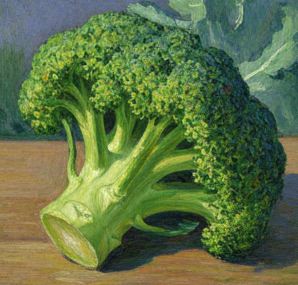
  • Broccoli (Brassica oleracea var. italica)

    BROCCOLI     Broccoli (Brassica oleracea var. italica) is characterized by a high concentration of ascorbic acid (99.0% of the Daily Value [DV] per 100 g), vitamin K (phylloquinone) (85.0%), the carotenoids lutein and zeaxanthin (23.4%), and folate (16.0%). Its mineral profile is notably rich in: boron (264.0% DV per 100 g), silicon (260.0%), sulfur…

  • Chanterelles (Cantharellus cibarius)

    Basic information about the chemical composition      Chanterelles (Cantharellus cibarius) possess a robust vitamin profile: vitamin D (106.0% of the Daily Value [DV] per 100 g), pyridoxine (45.0%), ascorbic acid (37.8%), nicotinic acid (28.3%), folate (24.2%), pantothenic acid (21.5%), riboflavin (19.4%), and beta-carotene (17.0%). The mineral profile includes significant concentrations of: chromium (48.0% DV…