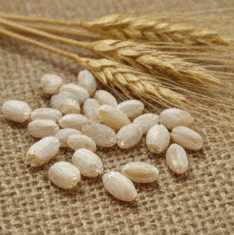
Cereals and Legumes

Cereals and legumes, like any seeds, are beneficial for humans primarily due to their high content of proteins, a significant part of which consists of essential amino acids, and vitamins, especially B vitamins. They are not as caloric as other known sources of these nutrients, such as nuts, but often contain phytates – substances that hinder the absorption of mineral elements (in particular – iron, zinc, calcium, magnesium, phosphorus) and amino acids.
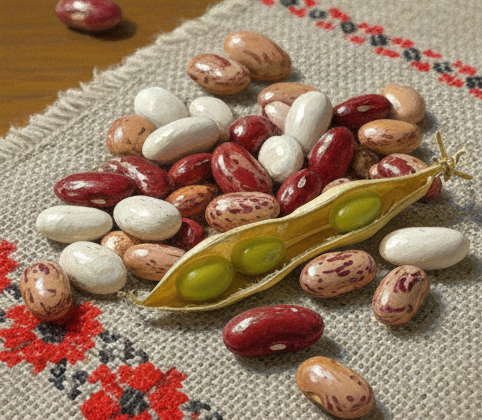
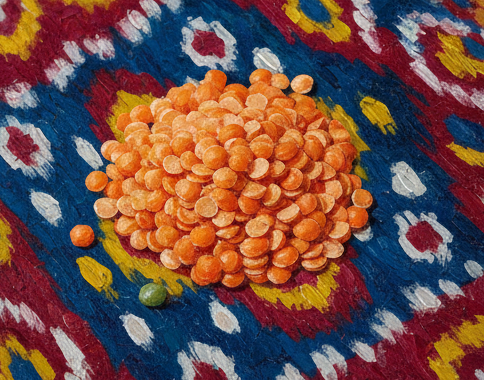
A distinctive feature of legumes (beans, peas, soybeans, haricot (beans), lentils) is the presence of phytoestrogens – special substances that behave in the human body similarly to estrogens (for more details, see Phytoestrogens. Soybeans, beans, peas against dementia, baldness, and osteoporosis). They help to prevent Alzheimer’s disease, osteoporosis, baldness, and can correct hormonal balance in both women and men.
When discussing legumes and cereals, it is impossible not to mention transgenic plants, as today almost all these crops have undergone genetic engineering intervention.
There is currently no final clarity on the issue of using transgenic or, in other words, genetically modified – plants. Debates about transgenic products are ongoing in both the scientific community and the parliaments of European countries, the USA, and the European Commission, and they frequently appear in newspapers. For example, cautious England has imposed a moratorium on the commercial cultivation of genetically modified crops.
The most “transgenic” plant in the world is soybeans. In the USA, about 75% of its cultivated area is planted with genetically modified varieties, while in Argentina, for example, they account for 99%.
The first genetic modifications of soybeans were prompted by attempts to enrich the amino acid composition of its proteins with the essential amino acid methionine, of which natural soybeans are relatively deficient. Widely used in animal feed, like other legumes, it required additional supplements of methionine or protein containing it to achieve a balanced diet. Attempts to increase methionine content through conventional breeding were unsuccessful, so genetic engineering came to the rescue. The first genetic modifications of soybeans were conducted using the gene of Bertholletia excelsa (Brazil nut), the seeds (nuts) of which contain a protein rich in methionine – the gene from Bertholletia was transferred into the genome of soybeans.
It would seem that such modifications are harmless to humans, as both soybeans and Brazil nuts are common foods for the human body.
However, at the same time, today, foreign genes that are alien to humans are used to modify the properties of plants (including food properties, especially cereals and legumes), for example, the scorpion gene (used to obtain drought-resistant cereal plants) or the gene from a poisonous snake (known transgenic corn has acquired pest resistance in this way).
Why is this done?
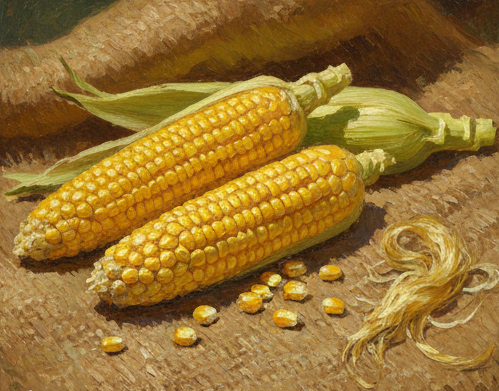
For example, genetically modified corn and potatoes produce their own insecticides and are not affected by pests. It is claimed that these genetically modified plants accumulate pesticides only in the leaves, which pests feed on, while the ears and tubers do not contain toxic substances. Although…
What danger might such genes hide?
It is known that viruses, bacteria, and some forms of fungi have the ability to transfer gene segments from one organism to another. This phenomenon is called horizontal (as opposed to vertical, sexual) gene transfer. In bacteria, gene transfer by plasmids, which move from one bacterial cell to another, serves as a mechanism of recombination, effectively replacing the sexual process in its traditional forms. Thanks to this mechanism, beneficial traits for the bacterial population, such as antibiotic resistance, quickly become common property. There is a possibility that when entering the human body through food, the foreign genes embedded in plants can be transferred by bacteriophages to the bacteria living in the human intestine (bifidobacteria, lactobacilli, Escherichia coli, etc.), thus affecting the intestinal microflora. And since the gene is transferred from an environment with a different genetic background, it can easily detach from the new DNA and integrate into the human body. Unfortunately, it is impossible to control the behavior of the embedded gene or stop it in case of danger to the organism.
Another danger may lie in the unpredictable behavior of the same friendly bacteria when genetically modified. There are known cases when Escherichia coli, which normally lives peacefully in the human intestine and participates in the synthesis of vitamin K, suddenly (for example, when the pH of the environment changes) begins to multiply intensively and displace bifidobacteria and lactobacilli from the intestine, leading to dysbiosis, bloating, and colitis. How genetically modified Escherichia coli or the same modified lacto- and bifidobacteria will behave – I cannot predict.
Therefore, predicting the distant consequences of consuming transgenic plants today is not just difficult, but impossible.
So, if you have the opportunity to avoid consuming genetically modified products (GMOs), it is better to do so.